Science
At All Saints Church School our vision is to ignite pupils' curiosity and encourage them to confidently explore and discover the world around them, so that they develop a deeper understanding of the world we live in.
We aim to provide a science curriculum which enables pupils to be inquisitive, develop a desire to question and to question the Why? How? What? And when? This curiosity will promote a thirst for knowledge and enquiry within our children which will last beyond their time at All Saints. Through carefully planned activities and experiences our children will learn to; solve investigations, become independent thinkers, become excited about the world around them and refine their skills as they progress on their journey to becoming scientists.
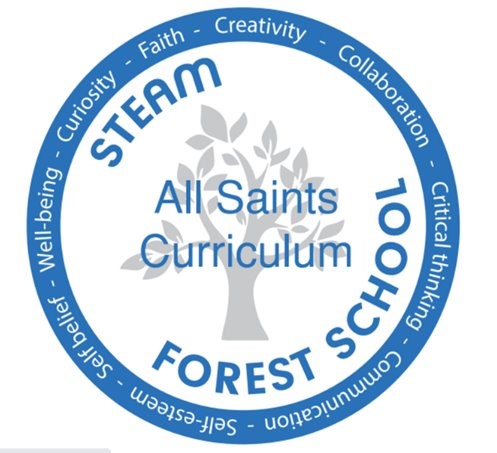
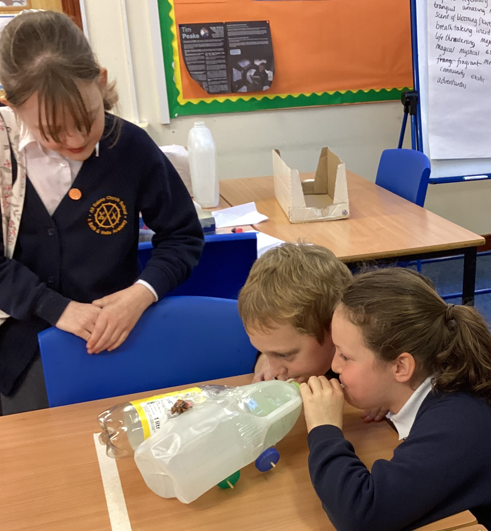
Through the teaching of science, we incorporate many areas from our whole school curriculum; creativity, collaboration, critical thinking, communication, self –esteem, self-belief, and curiosity. We do this through exciting, practical, hands-on experiences, which encourage curiosity and foster learning.
EYFS - Young children are naturally curious and passionate about learning. At All Saints, we provide a stimulating EYFS curriculum that nurtures children’s natural curiosity and their ongoing knowledge and understanding of the world around them. Through hands-on, enquiry-based activities, children will experience the joy of learning ‘how’ and ‘why’. We seek to promote this open-mindedness and further develop their enquiring minds, so they eventually become independent learners. We believe in equality of access and aim to unlock pupils’ potential for future life choices.
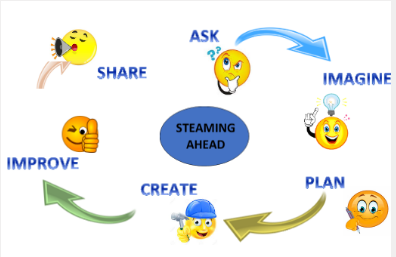
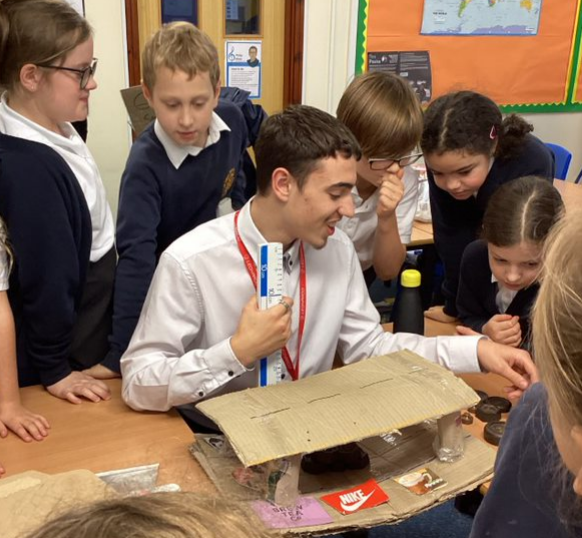
STEAM - At All Saints STEAM is integral to the delivery of parts of the science curriculum and is interwoven with our topics. Through this approach, we encourage our children to be confident to ask questions, take risks and to not be afraid of failure, but instead viewing it as an opportunity to learn.
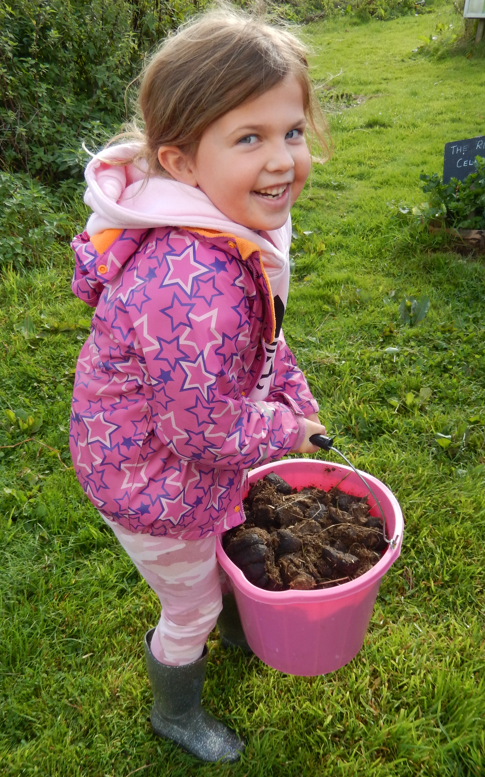
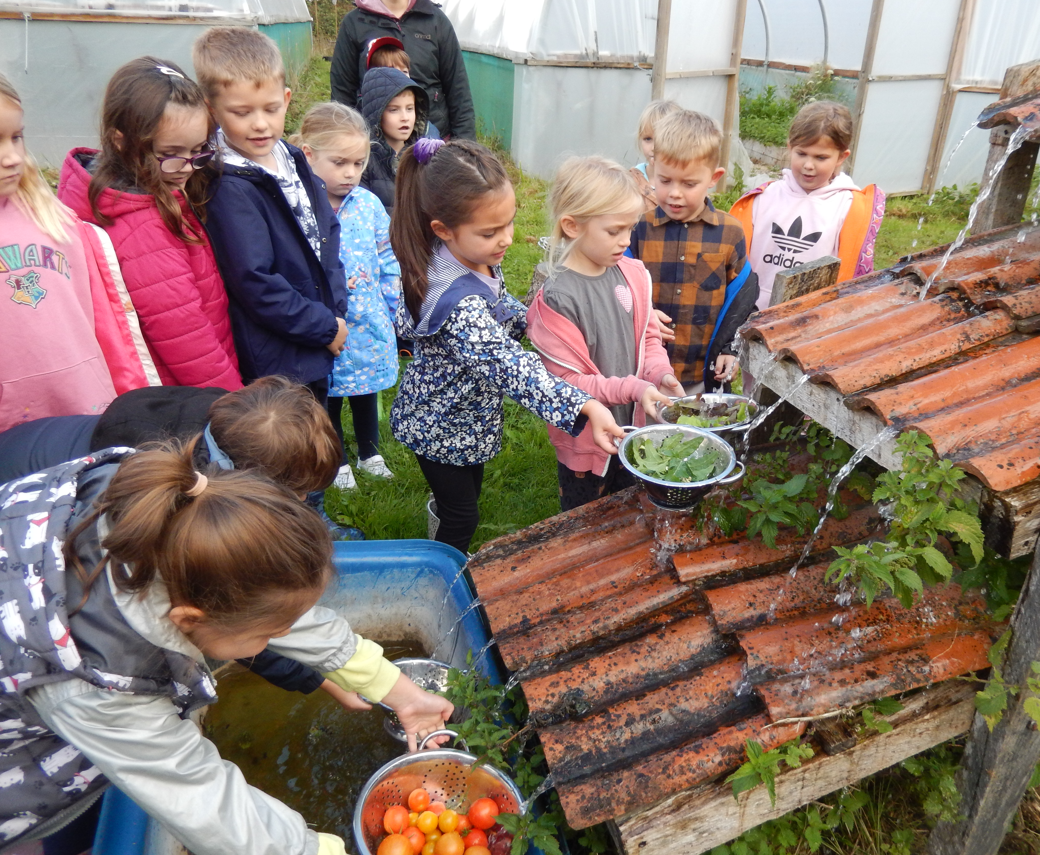
At All Saints Church School, we have a whole school ethos of being Ready, Respectful and Safe. Our science curriculum enables children to respect both the immediate and wider environment and community. We encourage our children to be responsible and recognise how lucky we are to have our beautiful school grounds and location to be used as a resource.
By providing inspiring learning opportunities, we ensure that our children are motivated, confident, life-long learners who will continue to explore the world around them, way beyond their time at primary school. To help them identify and retain the key information in each unit of work, we provide children with a knowledge organiser. These can be referred to in lessons, and they also act as a tool to support children in retaining and retaining knowledge for lifelong learning.
EXTRA-CURRICULAR - To enhance our science curriculum, we provide a range of extra curricular experiences and opportunities for our children. The Friends of All Saints have developed an annual STEAM challenge in which the children will be able to participate, with an aim to encourage our children to understand that scientists and engineers are a vital part of our world.
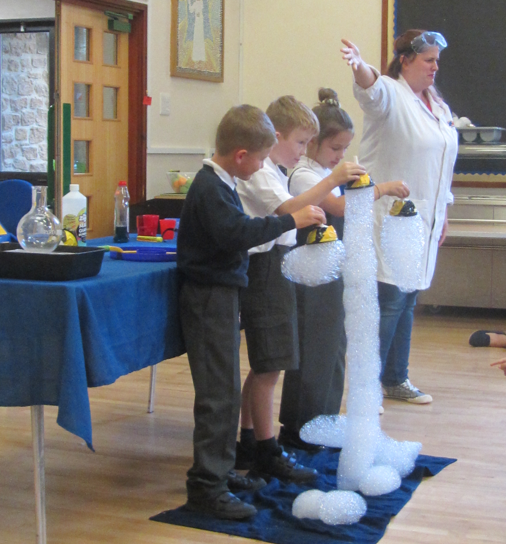
Fizz Pop Science run an after-school club which is available throughout the year for all year groups from Year 1 to Year 6.
We enhance our science learning with trips and visitors to school at every opportunity.
Jesus says, “All things are possible if you believe.” Mark 9:23