Geography
At All Saints Church School, we aim to encourage children’s curiosity about the world and inspire them to explore it further as they grow. Our geography curriculum opens children’s eyes to the wonder of the world beyond their immediate surroundings and helps them to understand both physical and human features.
The local area and our school grounds are at the heart of our geography curriculum. Children develop a strong sense of place through their own environment, alongside an understanding of the physical world and their local community. We encourage our children to appreciate places and people across the globe.
Beginning in Acorns (EYFS), children are introduced to key geographical vocabulary, which is built upon as they progress through the school. Through our geography curriculum, children also develop an understanding of the importance of respecting and caring for the natural environment.
Aim
Our aim is to equip children with knowledge of diverse places, people, resources, and both natural and human environments, alongside a deep understanding of the Earth’s key physical and human processes. We want our children to experience Geography in a practical and engaging way, developing knowledge, understanding, and skills that will stay with them for life.

 How do we teach Geography at All Saints?
Our approach to teaching Geography reflects our vision and is underpinned by high-quality, research-informed practice. We use the Focus Education curriculum to ensure learning is carefully sequenced, builds on prior knowledge, and supports long-term understanding.
Our Geography progression begins with exploring our school and local area before moving on to regions of the United Kingdom and the wider world. Location knowledge, fieldwork, and map work are woven throughout all Geography topics.
At the start of each topic, children review previous learning and have opportunities to share what they already know. To support children in knowing more and remembering more, we provide regular opportunities to revisit learning from previous topics as well as prior lessons.
Teachers build on pupils’ existing knowledge, break learning into manageable steps, and adapt teaching to meet the needs of all learners. We use questioning, discussion, retrieval practice, and knowledge organisers to strengthen long-term memory and deepen understanding. Key geographical vocabulary is taught explicitly and revisited regularly to ensure it is embedded.


EYFS
The Early Years Foundation Stage curriculum supports children’s understanding of geography, people, and communities through the ‘Understanding the World’ area of learning. Geography is taught through both adult-led activities and the wider continuous provision, including the learning environment.
Children explore features of their own environment, such as school, home, the local community, and the village, through first-hand experiences. They also begin to understand how environments may differ through books, stories, poems, small world play, role play, and visits.
Children benefit from valuable experiences through regular trips within the local community. They are given opportunities to discuss, comment on, and ask questions about what they observe in the world around them. We encourage children to be active learners who follow their interests and explore further.
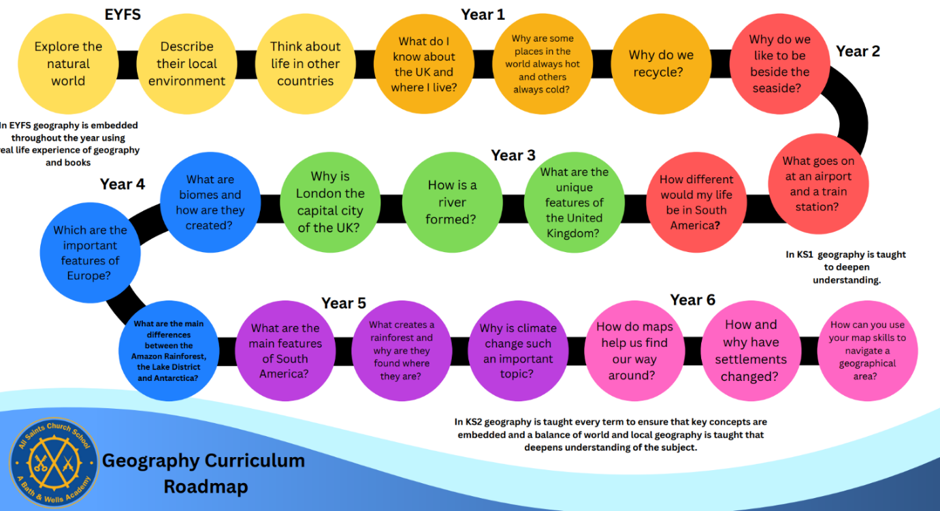
Our Geography roadmap outlines the key themes of Geography and demonstrates how knowledge and skills progress and build as children move through the school.

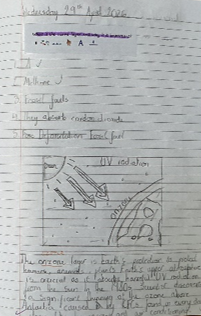
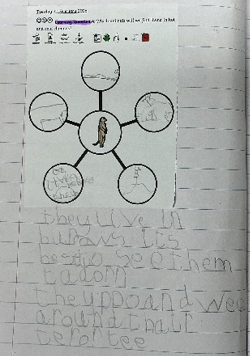
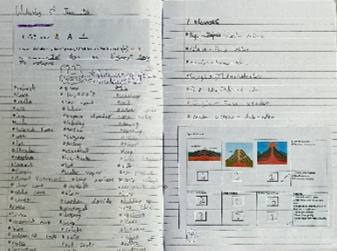
At All Saints, our children have rich opportunities to make use of the school grounds to enhance and apply their skills as geographers. Geography is often taught through practical, hands-on activities where children work collaboratively to solve problems.
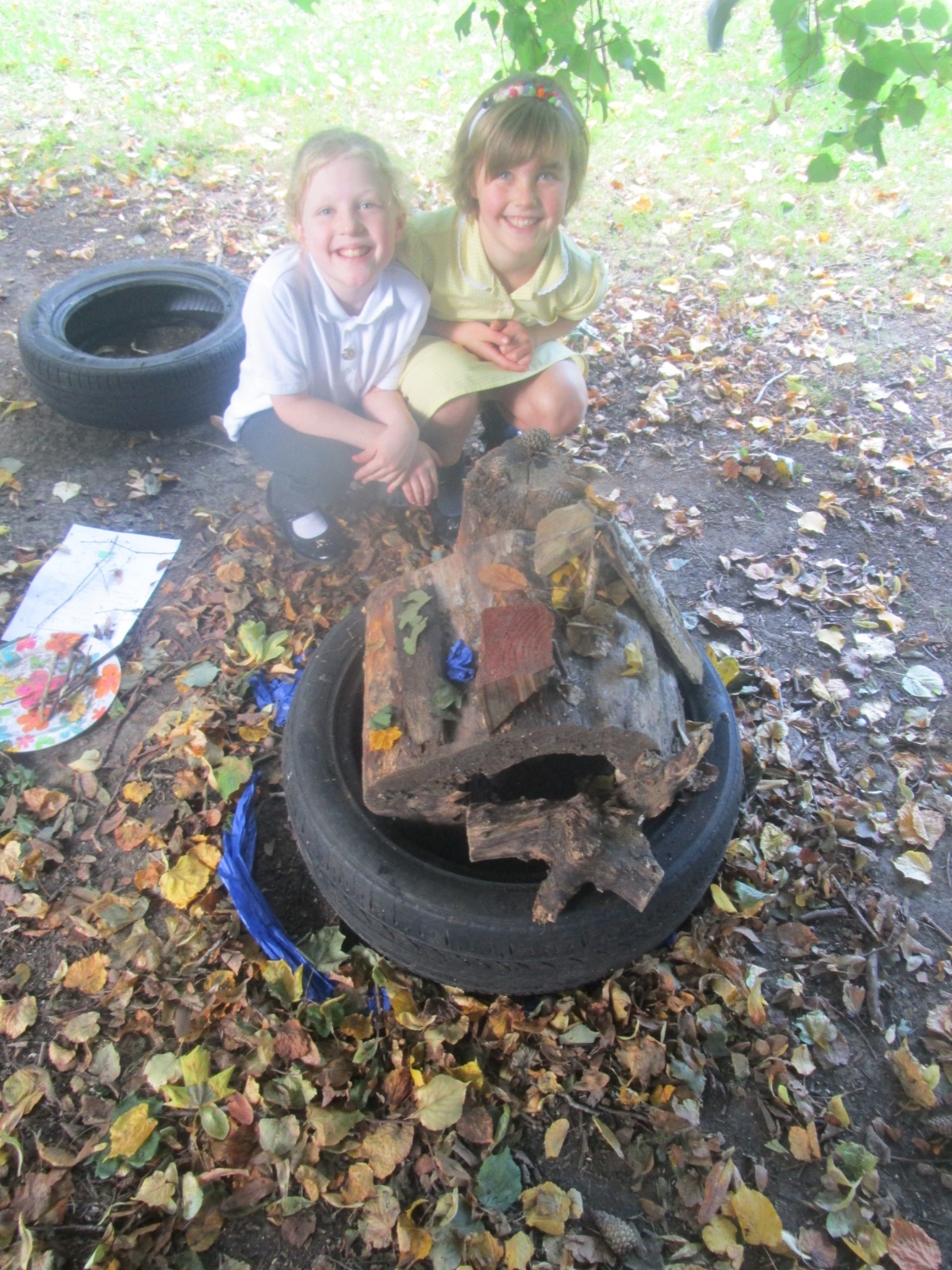
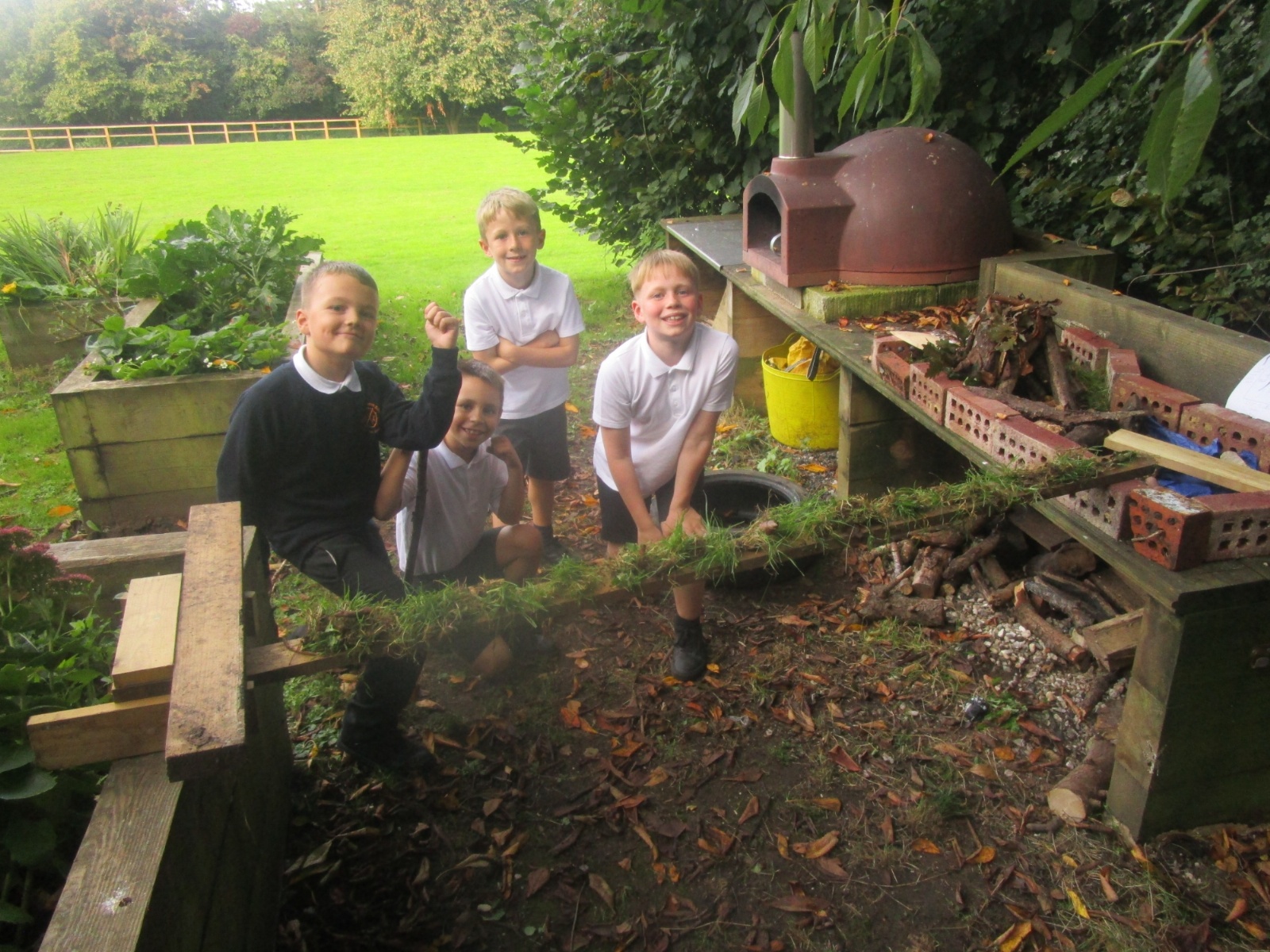
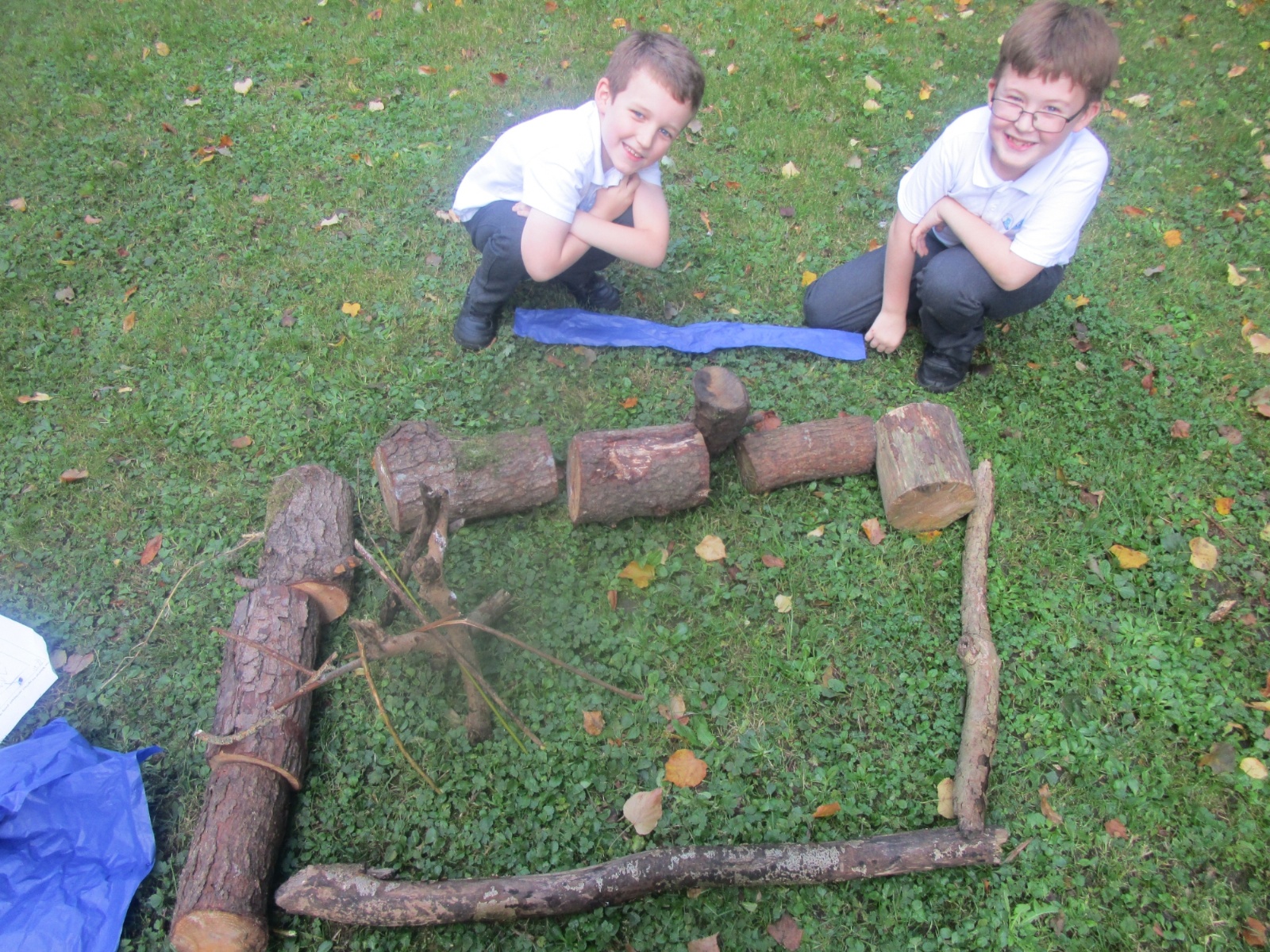
By providing inspiring learning opportunities, we ensure that our children become motivated, confident, lifelong learners who continue to explore the world around them well beyond their time at primary school. To support children in identifying and retaining key information in each unit of work, we provide knowledge organisers. These are used within lessons and serve as a tool to help embed knowledge for long-term learning.
Extra Curricular
Opportunities for children to have a voice in Geography learning and environmental care are developed through groups such as the School Council and Eco-Warriors. These groups listen to the views of their peers and work with staff to help implement ideas.
These pupil voice groups empower children to become courageous advocates for causes they believe in, helping them to recognise that they can shape the future. Educational visits, local fieldwork, and visitors are carefully planned to enrich and enhance learning within the Geography curriculum.
During the academic year, classes visit numerous locations to support their learning;
-
EYFS - Visit Axe Valley animal park to extend their learning about animals around the world
-
Visit to local train station - link with simple maps within stories
-
Year 1 - Walk around the village of Montacute and the school grounds, using simple mapping skills
-
Year 2 - Visit Magdalen Farm to support their learning of sustainability and knowledge about working farms
-
Escott Centre - Wild Wood habitat
-
Year 3 - New Barn Farm (cross curricular with History). Henges and livestock
-
Willow and Wetlands visitor centre (cross curricular with Art). Willow sculpture and land use
-
Year 4 - Visit Carymoor Environmental Centre to further explore world climate and recycling
-
Year 5 - Rural Life Museum, Glastonbury - landscapes, food and farming
-
Year 6 - Okehampton residential, outdoor adventure and learning about Dartmoor
-
Nothe Fort (cross curricular with History). Coastal defence use
Jesus says, “All things are possible if you believe.” Mark 9:23